
School Fees Sponsorship
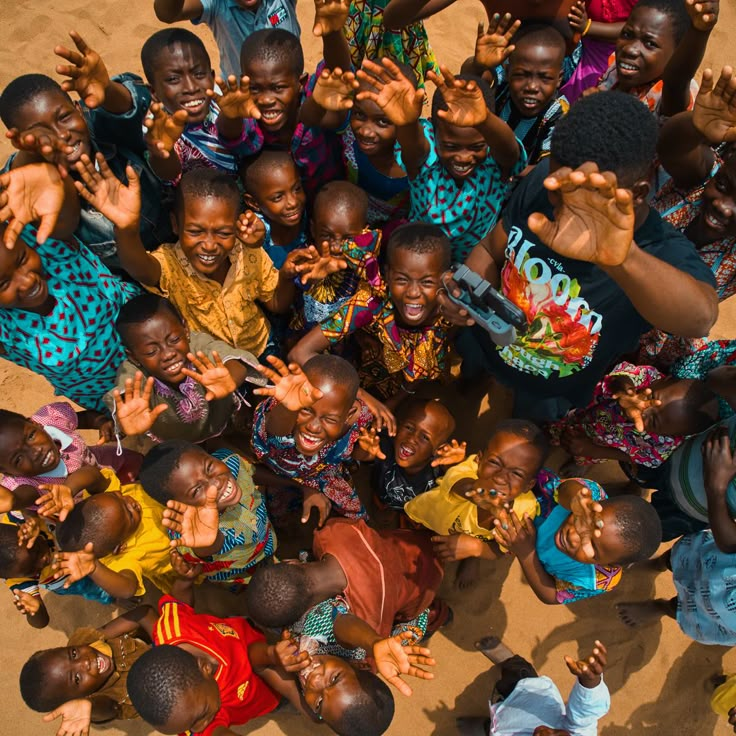
MPK directly sponsors school fees, uniforms, textbooks, and essential materials for orphans and vulnerable children, keeping them in school and giving them a foundation for the future. Many of the children we support have lost one or both parents to HIV/AIDS, and education sponsorship is one of the most direct ways we can invest in their resilience.
Community Participation in Education
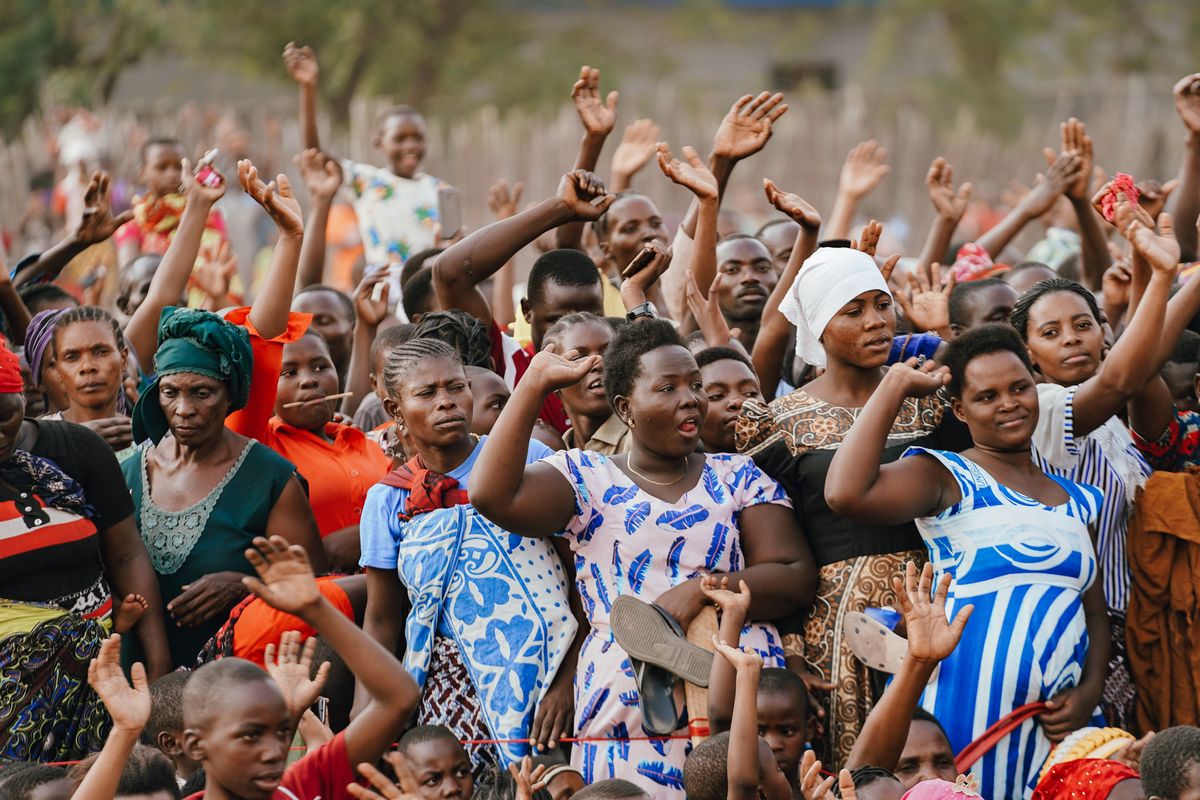
MPK strengthens the ability of communities to be active partners in education — through parent engagement, community-school dialogues, and the inclusion of families in decisions about their children's learning. We believe that durable improvements in education happen when communities own them.
Child-Friendly Schools
We work with schools and communities to promote child-friendly learning environments — places where children feel safe, valued, and supported. This includes working with teachers, school management committees, and parents to improve learning conditions and reduce dropout rates.
Vocational Training for Out-of-School Youth
For young people who have missed or dropped out of formal schooling, MPK provides access to vocational and skills training that opens pathways to economic independence. In post-conflict Northern Uganda, where a generation of young people was displaced during the LRA crisis, these second-chance opportunities are critical.
DSP — Distance Support Programme
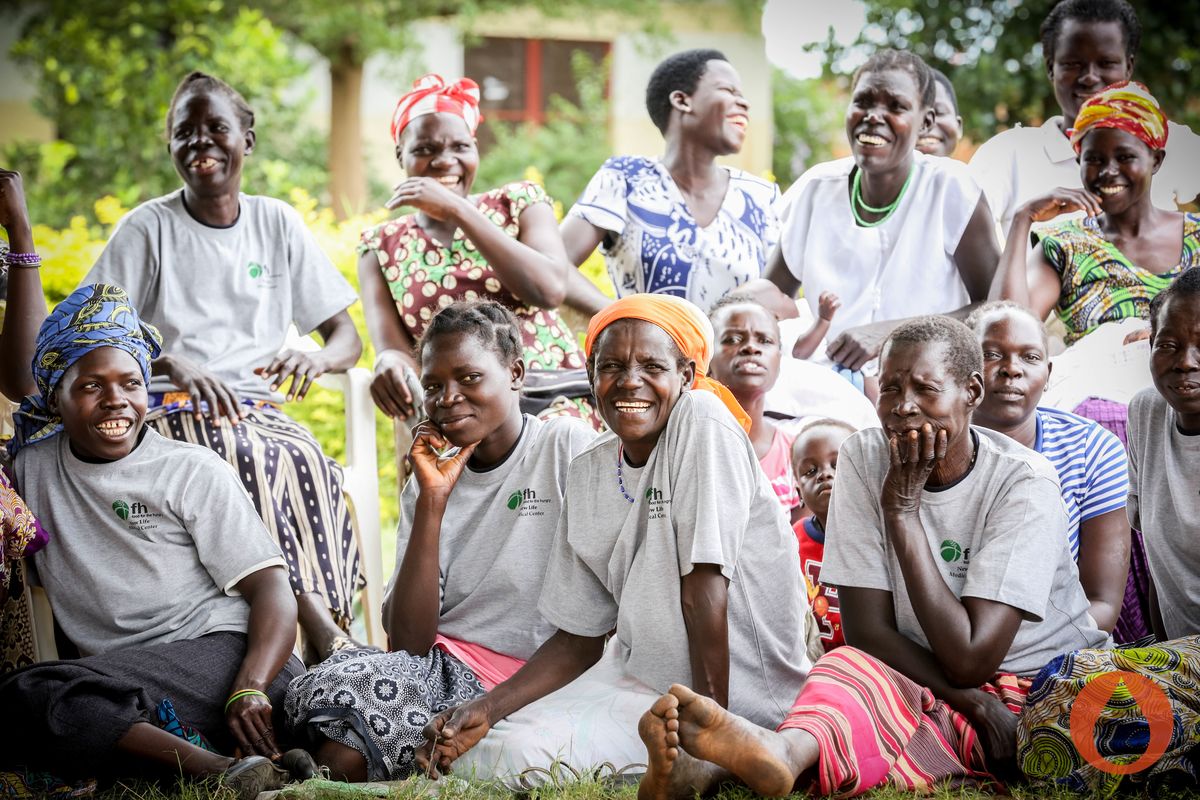
The Distance Support Programme (DSP) is MPK's flagship Education programme project, that have supported over 1000+ OVC over the 30 years and still supporting over 460 vulnerable children and their households across our catchment area. DSP ensures that children stay in school through direct fees payment, but goes beyond this combining child protection, regular home follow-up, caregiver economic strengthening, and accountability to affected persons to provide truly holistic support.
RETI — Education and Skilling Component
The Refugee and Host Community Transformation Initiative (RETI) also includes a significant education component, strengthening community-based participation in education and skilling among refugees and host community members in Palabek and Gulu.